
Investing in Germany for Expats: ETFs, Taxes & Wealth Building (2026)
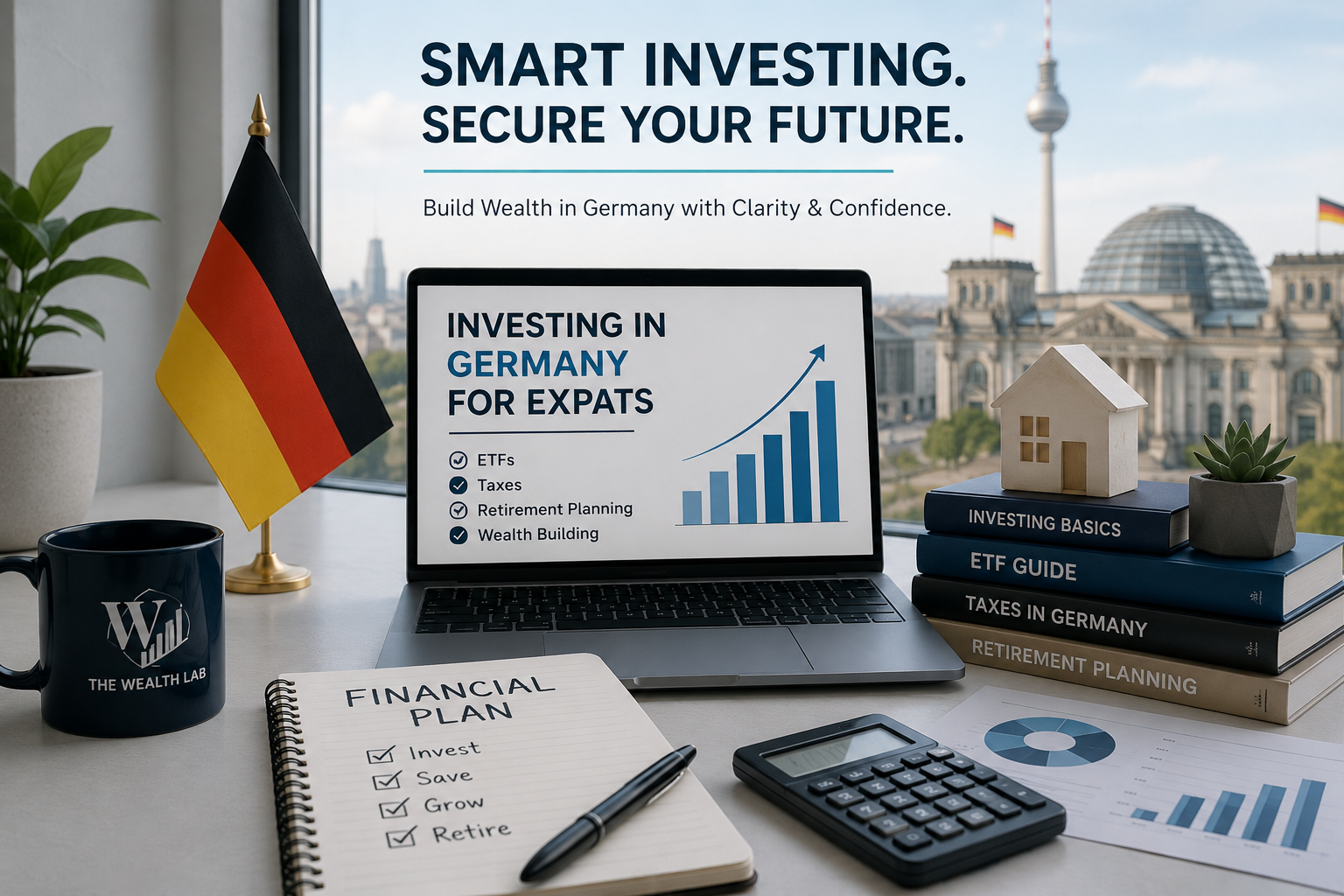
Table of Contents
Building Long-Term Wealth in Germany
Germany offers strong career opportunities, relatively stable economic conditions, and access to global financial markets. As a result, many internationals living in Germany start thinking more seriously about long-term financial planning after settling into their careers.
At the same time, topics such as inflation, rising living costs, retirement concerns, and taxes have increased interest in investing in Germany for expats.
Many people earn a good salary but still feel uncertain about:
- where to invest
- how much to invest
- which financial structures may fit their situation
- how taxes may affect investments
- how retirement planning works in Germany
This guide explains the basics of investing in Germany for expats, common challenges many internationals face, and important factors people often consider when building a long-term financial strategy in Germany.
Quick Answer: What Does Investing in Germany for Expats Usually Involve?
Investing in Germany for expats often involves a combination of:
- long-term investing
- ETF investing
- retirement planning
- liquidity management
- understanding taxes on investments
- financial protection planning
The right financial structure depends on individual circumstances such as:
- income
- timeline
- family situation
- future plans
- risk tolerance
Because every situation is different, many people prefer personalized financial guidance instead of relying only on general online information.
Why More Expats Are Interested in Investing in Germany
Over the last few years, financial planning has become increasingly important for many internationals living in Germany.
Several factors contributed to this:
- higher living costs
- inflation
- uncertainty around retirement income
- increased awareness around investing
- rising housing costs in major German cities
As a result, more expats are looking into topics such as:
- ETF investing in Germany
- retirement planning in Germany
- long-term wealth building
- financial planning for expats
💡 Many people realize that financial planning is not only about income. Long-term structure also plays an important role.
Common Challenges Expats Face When Investing in Germany
Many internationals arrive in Germany without previous experience with the German financial system.
Because of this, financial topics can initially feel confusing or overwhelming.
1. Delaying Long-Term Financial Planning
Some people postpone investing or retirement planning because they:
- recently moved countries
- want more financial stability first
- feel uncertain about financial products
- prefer waiting until they understand everything better
This is very common among expats.
However, many long-term investors prefer starting gradually and building financial knowledge over time instead of waiting for a “perfect moment.”
2. Keeping All Savings in Cash
Germany traditionally has a strong savings culture.
Because of this, many people feel comfortable keeping large amounts of money in regular savings accounts.
Emergency liquidity can absolutely be important. However, some people also explore long-term investment strategies because inflation may affect purchasing power over time.
⚠️ The balance between liquidity and investing depends heavily on personal goals and risk tolerance.
3. Following Random Financial Advice Online
Another common issue is information overload.
Many expats receive investment information from:
- social media
- YouTube
- influencers
- online forums
Unfortunately, financial advice online is often:
- too generic
- not Germany-specific
- not adapted to expat situations
- focused only on trends
This is one reason why many people seek individualized financial guidance instead of relying entirely on internet content.
ETF Investing in Germany for Expats
ETF investing became increasingly popular in Germany over the last few years.
An ETF (Exchange Traded Fund) allows investors to invest broadly across markets instead of selecting individual companies one by one.
Popular ETF categories often include:
- MSCI World ETFs
- S&P 500 ETFs
- All-World ETFs
- Emerging Markets ETFs
Many long-term investors are interested in ETFs because they are commonly associated with:
- diversification
- accessibility
- relatively low costs
- long-term investing approaches
Why Many Expats Explore ETFs
Many internationals prefer simple and globally diversified investment approaches.
Because of this, ETF investing in Germany is often discussed among:
- young professionals
- engineers
- tech workers
- freelancers
- internationally mobile employees
However, the suitability of ETFs depends on the individual situation, financial goals, and personal risk tolerance.
Important Tax Considerations for ETFs in Germany
Taxes are an important topic when discussing investing in Germany for expats.
Germany applies taxation rules to investment income that may include:
- capital gains taxation
- dividend taxation
- withholding taxes
- specific ETF taxation rules
Because taxation can become complex, many people prefer understanding the general framework before making financial decisions.
⚠️ Tax treatment depends on individual circumstances and may change over time.
For this reason, many expats prefer professional guidance when evaluating long-term financial structures.
Why Long-Term Structure Matters
Many people focus only on choosing investments.
However, long-term financial planning usually involves more than selecting a single product.
A broader financial structure may include:
- emergency savings
- long-term investing
- retirement planning
- insurance protection
- liquidity management
- understanding financial risks
💡 Many financial professionals consider structure and consistency important parts of long-term financial planning.
Retirement Planning in Germany
Retirement planning is another important topic for internationals living in Germany.
Some expats assume the statutory pension system alone will fully cover future retirement needs. Others prefer exploring additional private retirement or investment structures.
The long-term outcome depends on many factors such as:
- contribution years
- income development
- inflation
- retirement lifestyle expectations
- future living costs
Because of this, retirement planning became one of the most discussed financial topics among expats in Germany.
Understanding the Pension Gap
The term “pension gap” refers to the difference between expected retirement income and future financial needs.
Several factors may influence this gap:
- inflation
- career interruptions
- rising living costs
- changing income over time
- limited retirement planning
⚠️ The size of a potential pension gap varies significantly from person to person.
This is one reason why many people prefer reviewing their long-term financial situation early rather than waiting until later stages of life.
Real Estate Investing in Germany
Real estate also attracts attention among many internationals living in Germany.
People explore property investing for different reasons such as:
- diversification
- long-term planning
- rental income
- personal housing goals
At the same time, the German property market also includes:
- financing considerations
- taxes
- notary costs
- maintenance expenses
- market fluctuations
- legal regulations
Because of this, real estate decisions are often evaluated as part of a broader financial strategy rather than as isolated investments.
Emergency Funds vs Long-Term Investing
One common financial question is how much money should remain liquid versus invested long-term.
Emergency savings may help cover situations such as:
- unexpected expenses
- relocation costs
- medical situations
- job transitions
- visa-related uncertainties
At the same time, some people also consider long-term investment strategies for money they may not need immediately.
The balance between liquidity and investing depends heavily on:
- lifestyle
- financial goals
- personal comfort with risk
- family situation
How Much Should You Invest Monthly in Germany?
There is no universal number that fits everyone.
Monthly investment amounts depend on:
- income
- expenses
- age
- timeline
- goals
- family structure
- personal priorities
Some people prefer smaller but consistent long-term contributions. Others may prioritize liquidity or shorter-term goals first.
💡 Long-term financial planning is highly individual and may evolve over time.
Why Many Expats Seek Personalized Financial Planning
Germany’s financial system includes many interconnected topics such as:
- taxes
- pensions
- investments
- insurance
- long-term planning
Because of this complexity, many people prefer discussing their individual situation with a financial professional rather than relying entirely on generalized online advice.
This may help create more clarity around:
- priorities
- long-term goals
- financial risks
- retirement considerations
- investment structure
Important Trends in Investing in Germany for Expats (2026)
Several financial trends continue influencing expats in Germany.
Growing Interest in ETF Investing
ETF investing continues growing in popularity among younger professionals and internationals.
Many people are increasingly interested in:
- passive investing
- long-term investing
- globally diversified portfolios
- monthly investing plans
Rising Awareness Around Retirement Planning
More expats are becoming aware of long-term retirement considerations in Germany.
Topics such as:
- pension gaps
- inflation
- retirement income
- financial independence
are discussed much more frequently than before.
More Interest in Financial Education
Many internationals now actively search for:
- investing in Germany for expats
- financial planning Germany
- retirement planning Germany
- ETF taxes Germany
because they want a better understanding of how the system works before making financial decisions.
Key Takeaways
✔️ Investing in Germany for expats involves more than simply choosing investments
✔️ ETFs are commonly discussed among long-term investors in Germany
✔️ Taxes may play an important role in investment planning
✔️ Retirement planning has become increasingly important for expats
✔️ Financial structure and consistency are often considered important in long-term planning
✔️ Every financial strategy depends on individual circumstances
Final Thoughts
Germany offers many opportunities for internationals who want to build long-term financial stability.
At the same time, financial planning in Germany can feel complex because it involves multiple interconnected areas such as:
- investing
- retirement planning
- taxes
- insurance
- long-term financial structure
Because every expat situation is different, financial decisions should always consider:
- personal goals
- timeline
- income
- family structure
- future plans
- risk tolerance
Many people find it helpful to first understand the general system before making long-term financial decisions.
Disclaimer: This article is for informational purposes only and does not constitute financial, tax, or legal advice. Financial decisions should always consider individual circumstances and personal risk tolerance.
Frequently Asked Questions About Investing in Germany for Expats
Is investing in Germany safe for expats?
Germany is considered one of the largest and more stable economies in Europe, which is one reason many internationals explore long-term investing opportunities there. However, every investment involves risks, and financial decisions should always consider individual goals, timeline, and risk tolerance.
Can foreigners legally invest in Germany?
Yes. Many expats living in Germany can legally invest through German or international financial platforms, depending on their residency status and personal circumstances.
What are the most popular investments for expats in Germany?
Some commonly discussed investment options include:
ETFs
retirement-focused investment structures
real estate
diversified long-term portfolios
The suitability of each option depends on the individual situation.What is an ETF?
An ETF (Exchange Traded Fund) is a type of investment fund that allows investors to gain exposure to multiple companies or markets through a single product.
Many long-term investors explore ETFs because they are commonly associated with diversification and accessibility.Do expats pay taxes on investments in Germany?
Investment income in Germany may be subject to taxation depending on the type of investment and the individual situation.
This can include:
capital gains taxation
dividend taxation
ETF-related taxation rules
Tax treatment may vary depending on residency status and personal circumstances.How much should I invest monthly in Germany?
There is no universal amount that fits everyone.
Monthly investment amounts often depend on:
income
expenses
goals
timeline
family situation
personal priorities
Many people prefer building consistency over time instead of focusing only on large investment amounts.Why do many expats talk about a “pension gap” in Germany?
The pension gap refers to the possible difference between future retirement income and expected living expenses during retirement.
Factors such as inflation, career interruptions, and changing living costs may influence this gap over time.Is investing in Germany only for high-income earners?
Not necessarily.
People explore investing for different reasons and with different budgets. Long-term financial planning can look very different depending on the person’s situation, priorities, and goals.What should expats understand before investing in Germany?
Many people first try to understand:
how taxes work
investment risks
retirement considerations
liquidity needs
long-term goals
financial structure
before making long-term financial decisions.
Leave a Comment
Have a question or experience to share? Drop a comment below.
Leave a Comment